


Feelings First: Building Social Emotional Skills in the Early Years

Competency III: Supporting social and emotional development and providing positive guidance

Before Children Can Learn, They Must Feel Safe
Long before children master letters and numbers, they are learning something even more foundational. They are learning how to understand their feelings, express their needs, build relationships, and manage frustration.
Social emotional development is not an extra part of early childhood education. It is the foundation.
CDA Competency Standard III focuses on supporting social and emotional development and providing positive guidance. This competency reminds us that teaching is not only about instruction. It is about connection.
Teaching Emotional Literacy from the Start
Emotional literacy begins when children learn to name what they feel.
When educators intentionally use language such as:
“You look frustrated.”
“I see you are excited.”
“It seems like you feel disappointed.”
Children begin to connect emotions to words. Over time, this builds self awareness and confidence.
Emotional literacy supports:
Stronger communication skills
Reduced challenging behaviors
Greater empathy toward others
Improved self regulation
When children can name their feelings, they are better able to manage them.
Positive Guidance Builds Confidence
Competency III emphasizes positive guidance rather than punishment.
Positive guidance means:
Redirecting behavior instead of shaming
Teaching problem solving instead of assigning blame
Modeling calm responses during conflict
Setting clear, consistent expectations
Young children are still developing impulse control and emotional regulation. Our role is not to demand perfection. It is to teach skills.
When guidance is respectful and consistent, children learn that mistakes are opportunities to grow.
Creating Emotionally Safe Learning Environments
Children thrive in classrooms where they feel valued and understood.
Emotionally safe environments include:
Predictable routines
Calm and consistent adult responses
Spaces for quiet reflection or regulation
Opportunities for cooperative play
When children feel secure, they are more willing to take healthy risks in learning and relationships.
The Power of Books in Social Emotional Growth
Stories help children explore feelings in safe and meaningful ways.
Through books, children:
See characters experience big emotions
Learn how problems are resolved
Build empathy by seeing different perspectives
Explore identity and belonging
Books open conversations about fear, anger, kindness, friendship, and perseverance.
Intentional educators select books that reflect diverse experiences and provide opportunities for discussion about emotions and relationships.
Resource Collection Spotlight: What Competency III Requires
For CDA candidates, Competency III includes one required Resource Collection item:
RC III: A Bibliography of Ten Developmentally Appropriate Children’s Books
Candidates must compile a list of ten children’s books that support social and emotional development.
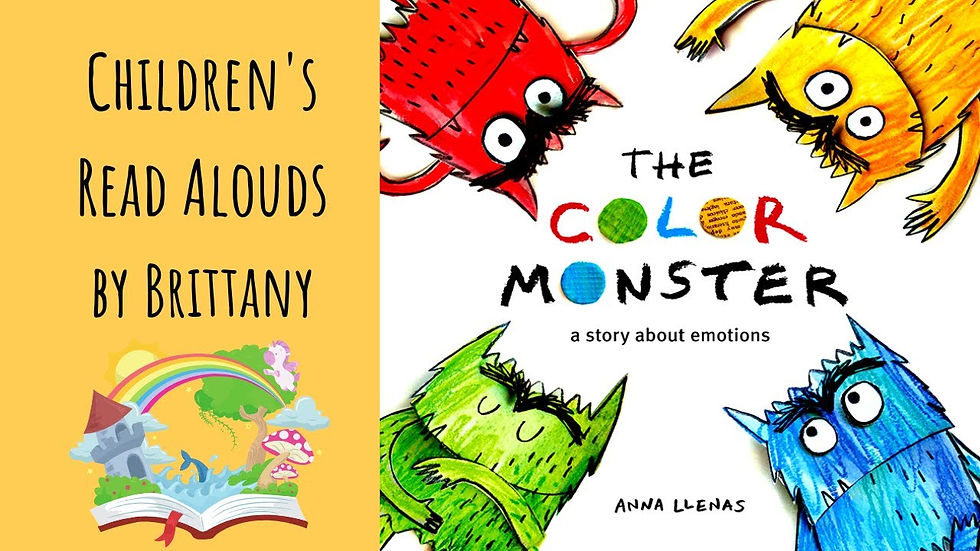
The bibliography should:
Include the book title and author
Be appropriate for the age group served
Support emotional literacy, identity, relationships, or positive behavior
It is important that your selected books reflect your classroom, your children, and your teaching philosophy. The goal is not to list popular titles, but to demonstrate intentional selection.
You may choose to create a visual summary of example themes such as friendship, managing anger, empathy, and self confidence to help readers understand the purpose of this requirement without providing a copy-ready list.
Why Social Emotional Skills Matter for Life
Research consistently shows that children with strong social emotional skills experience greater long term success in school and relationships.
These skills support:
Academic persistence
Conflict resolution
Leadership and teamwork
Mental well being
When educators prioritize feelings first, they are preparing children not just for kindergarten, but for life.
A Final Reflection
Competency III reminds us that teaching is relational.
Before we correct behavior, we connect.Before we discipline, we guide.Before we teach content, we nurture confidence.
When children feel understood, they grow stronger in every area of development.
About the Author
This article was written by the Elite Team of Educators, a group of experienced early childhood professionals dedicated to supporting educators at every stage of their CDA journey. Our team develops training, coaching, and resources designed to help you grow with confidence, clarity, and purpose.
For more guidance, tips, and real conversations about earning your CDA and strengthening your practice, subscribe to the Elite Educational Enterprises YouTube Channel. We regularly share updates, walkthroughs, and encouragement to support you every step of the way.


I just read this post about building social‑emotional skills in the early years and it really resonated with me the way it explains the importance of feelings first makes so much sense, especially when thinking about how children learn and grow. I’m working on an assignment about emotional development and sometimes I struggle to organize all my thoughts into clear writing that actually flows. That’s why I needed some Native Assignment Help putting my ideas together and explaining them well hasn’t always been easy. This article gave real‑world examples and inspiration that helped me think about how to describe emotional skills more clearly in my own work, which made writing my assignment feel much more manageable.